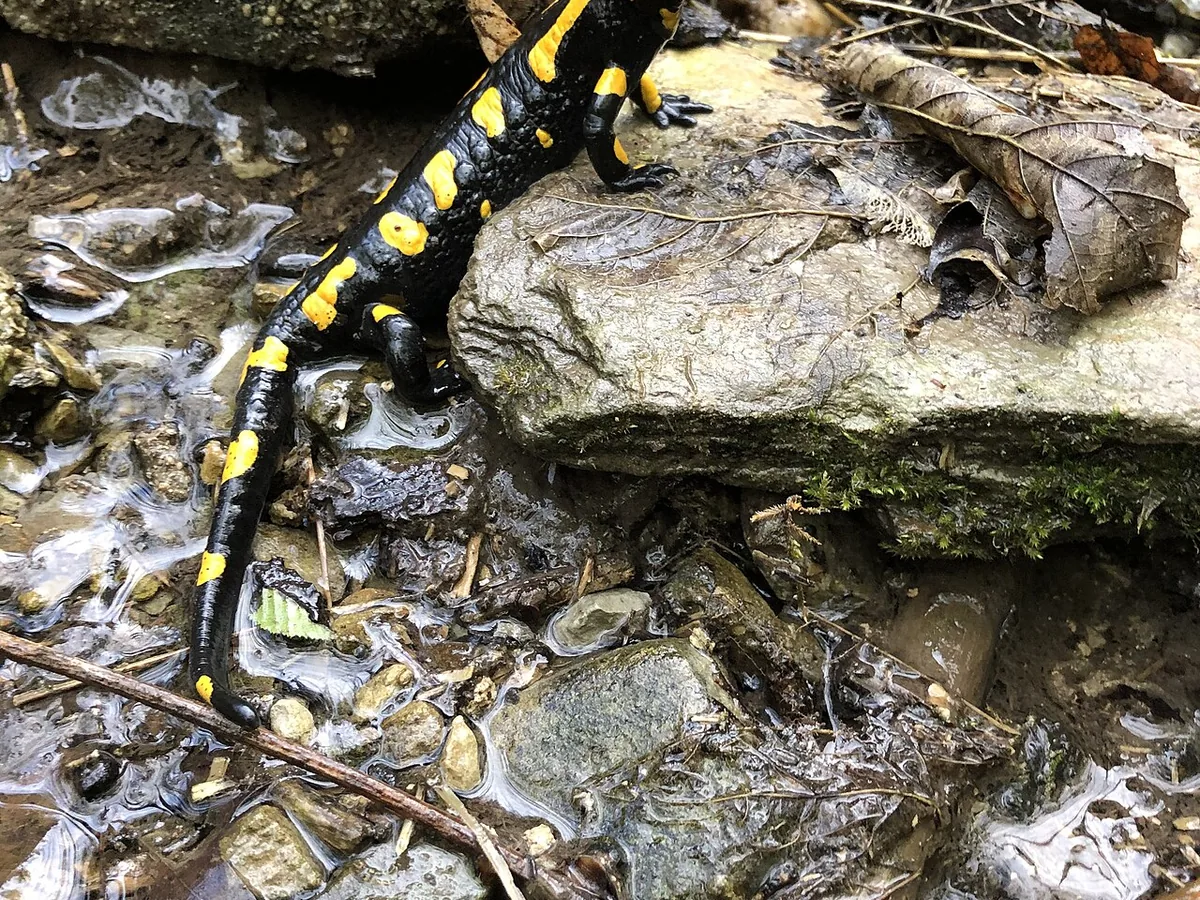
Salamanders are a captivating group of amphibians known for their slender bodies, moist skin, and remarkable ability to regenerate lost limbs. These creatures inhabit various environments across the globe, primarily in the northern hemisphere, and play a vital role in the balance of their ecosystems. This article delves into the intriguing world of salamanders, covering their habitat and distribution, reproduction and life cycle, physical characteristics, diet, and behavior.
Habitat and Distribution
Salamanders thrive in a range of habitats, from damp forests to arid regions, always near water sources like brooks, creeks, and ponds[7][17]. Their need for moist environments is due to their skin, which absorbs water and oxygen. While some species are aquatic throughout their lives, others are terrestrial as adults but return to water to breed[17]. The United States boasts the largest diversity of salamander species, highlighting the importance of preserving their habitats to ensure their survival[7].
Reproduction and Life Cycle
The life cycle of a salamander is fascinating, beginning with the laying of shell-less eggs in water. After hatching, the larvae resemble tadpoles, breathing through external gills. As they mature, they undergo metamorphosis, losing their gills and developing lungs for breathing air[13][14]. Some species, like the Eastern Tiger Salamander, spend most of their lives underground, emerging only for breeding[16]. This secretive nature makes every sighting of these creatures a special moment.
Physical Characteristics
Salamanders are known for their smooth, moist skin, which comes in various colors and patterns, serving as camouflage or warning signals to predators[5][9]. They range in size from the tiny pygmy salamander to the giant Chinese salamander, which can grow up to 5 feet in length[5][7]. Their most remarkable feature, however, is their ability to regenerate lost body parts, a study subject for scientists interested in regenerative medicine[17].
Diet and Behavior
Carnivorous by nature, salamanders feed on insects, worms, and other small invertebrates[1][2][12]. Their diet varies with their environment and the availability of prey. Salamanders are nocturnal, hunting for food at night[17]. They use their quick, sticky tongues to capture prey, and some species can even have teeth[17]. Despite their quiet existence, salamanders are vital for controlling insect populations, benefiting human agriculture and health.
Conservation Status
Salamanders face threats from habitat destruction, pollution, and diseases like the chytrid fungus[17]. Conservation efforts are crucial to protect these unique amphibians and their habitats. By understanding the importance of salamanders in our ecosystems, we can take steps to ensure their survival and the health of our planet.
Conclusion
Salamanders are more than just another group of amphibians; they are a testament to the resilience and diversity of life on Earth. Their ability to regenerate, coupled with their critical role in ecosystems, makes them a fascinating subject for study and conservation. By protecting salamander habitats and supporting conservation efforts, we can preserve these remarkable creatures for future generations to marvel at and learn from.